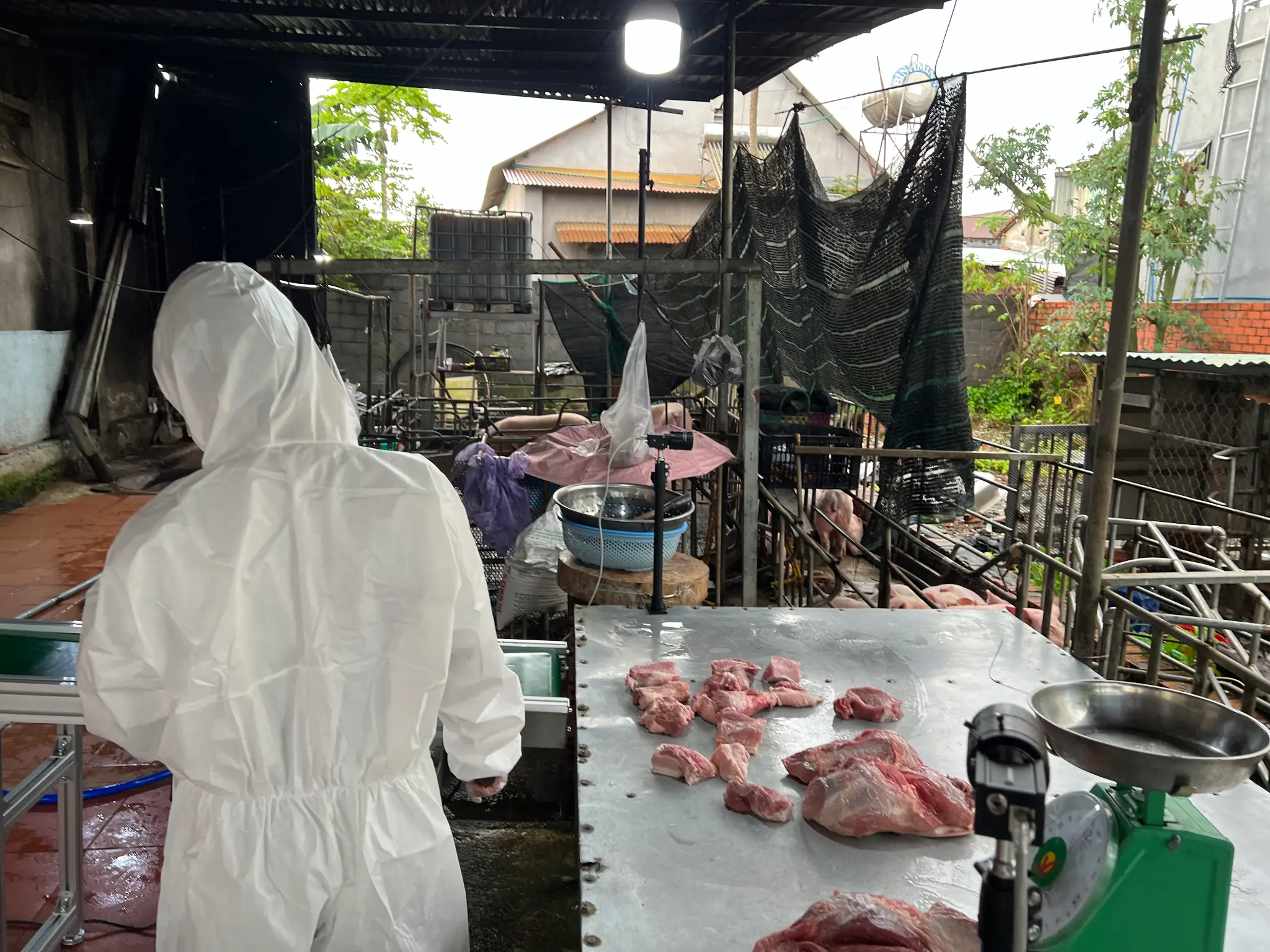
The global agricultural landscape is at a critical juncture. Faced with the dual challenges of feeding a growing population and mitigating the severe environmental impact of traditional farming, the industry is urgently seeking sustainable solutions. Livestock farming, particularly pig farming, is a significant contributor to these environmental pressures, from waste management and greenhouse gas emissions to resource consumption. However, a new wave of smart technology is emerging to transform this sector. At the forefront of this change is Trackfarm, an AI-powered smart livestock solution that is redefining the economics and ecology of modern pig farming.
This in-depth exploration delves into how Trackfarm’s innovative technology is not just improving farm efficiency but is fundamentally promoting sustainable agriculture by drastically reducing waste, optimizing resource use, and lowering the overall environmental footprint of pork production.
The Environmental Imperative in Livestock Farming
Traditional intensive livestock farming often operates with inherent inefficiencies that translate directly into environmental costs. These include:
- Resource Overconsumption: Inefficient feeding and watering systems lead to the waste of precious resources.
- Pollution from Waste: Poor manure management results in the leaching of nitrates and phosphates into water sources, contributing to eutrophication, and the release of potent greenhouse gases like methane and nitrous oxide.
- High Energy Demand: Maintaining optimal barn environments (heating, cooling, ventilation) requires substantial energy, often sourced from fossil fuels.
- Disease and Mortality: High mortality rates not only represent an economic loss but also a significant waste of resources invested in the animals.
The shift to sustainable agriculture demands a system that is economically viable, environmentally sound, and socially responsible. Trackfarm addresses these challenges head-on by integrating cutting-edge AI and automated environmental control.
Trackfarm’s Dual Engine for Sustainability
Trackfarm’s solution is built on two core pillars: the AI Monitoring Software (SW) and the Automated Environmental Control Hardware (HW). Together, they create a closed-loop system that maximizes efficiency and minimizes ecological damage.
1. Precision Resource Management through AI Monitoring (SW)
The AI Monitoring Software is the brain of the Trackfarm system, focusing on individual animal management to eliminate waste and optimize inputs.
Reducing Waste and Optimizing Feed Conversion
The most significant environmental impact in pig farming often comes from feed production and waste. Trackfarm’s AI uses computer vision and data mining to:
- Predict Slaughter Timing: By accurately analyzing individual pig growth and weight gain, the system predicts the optimal time for slaughter. This precision ensures that feed is not wasted on animals past their peak efficiency, leading to a better feed conversion ratio (FCR) and a shorter production cycle. The case study in Hoengseong, South Korea, demonstrated a noticeable shortening of the rearing cycle, directly translating to less resource use per kilogram of pork produced.
- Individualized Health Monitoring: The AI detects subtle changes in behavior, posture, and movement that signal the onset of illness, often before a human observer can. Early detection allows for targeted intervention, reducing the need for broad-spectrum antibiotics and minimizing the risk of a widespread outbreak that could lead to mass mortality and resource loss.
Diagram Idea: The AI-Driven Sustainability Loop
To illustrate this concept, a visual representation of the data flow would be highly effective:
A circular diagram showing the continuous feedback loop:
- Data Collection: AI Vision & Sensors capture pig behavior, growth, and environment.
- Cloud Analysis: Data Mining & Optimization algorithms process the data.
- Actionable Insights: System generates Growth Analysis, Disease Prediction, and Environmental Adjustments.
- Automated Control: HW system adjusts ventilation/temperature, and SW system guides feeding/management.
- Sustainable Outcome: Reduced FCR, Lower Mortality, Minimized Emissions.
2. Environmental Footprint Reduction through Automated Control (HW)
The Automated Environmental Control Hardware is the muscle, ensuring the pig house environment is optimized for animal health and energy efficiency.
Lowering Emissions and Improving Air Quality
The chemical and biological environment within a pig house is a major source of greenhouse gases (methane, ammonia) and particulate matter. Trackfarm’s sensor-based system continuously monitors key environmental factors:
- Chemical Environment: Real-time monitoring of ammonia and hydrogen sulfide levels.
- Temperature and Humidity: Precise control to prevent heat stress, which can increase feed intake without proportional growth and elevate disease risk.
- Ventilation Automation: The system automatically controls ventilation and opening/closing systems based on real-time data, not fixed schedules. This intelligent control ensures that harmful gases are efficiently removed while minimizing energy expenditure for heating or cooling.
By maintaining a consistently optimal environment, the system reduces animal stress, which in turn lowers the production of harmful gases and minimizes the need for energy-intensive, constant ventilation.
Table: Comparing Traditional vs. Trackfarm Farming
| Feature | Traditional Farming | Trackfarm Smart Farming | Sustainability Impact |
|---|---|---|---|
| Labor Requirement | High (Constant manual checks) | Low (1 manager for 3,000+ pigs) | Reduced labor cost, higher efficiency. |
| Mortality Rate | Variable, higher risk of outbreaks | Significantly reduced (Early AI detection) | Reduced waste of resources (feed, water, energy). |
| Resource Use (Feed/Water) | Inefficient, based on group averages | Highly optimized, based on individual growth | Reduced waste, lower environmental impact of feed production. |
| Environmental Control | Manual or timer-based | Automated, sensor-driven, real-time | Lower energy consumption, reduced greenhouse gas emissions. |
| Slaughter Timing | Estimation, often sub-optimal | AI-predicted optimal timing | Shorter rearing cycle, maximized resource efficiency. |
The Trackfarm Case Studies: Real-World Sustainability
The practical application of Trackfarm in diverse environments demonstrates its universal potential for sustainable impact.
Case Study 1: Hoengseong, South Korea – Efficiency and Waste Reduction
In the Hoengseong farm, managing over 2,000 pigs, the implementation of Trackfarm resulted in a tangible reduction in the farm’s ecological footprint. The key outcomes related to sustainability were:
- Reduced Mortality: A lower death rate means fewer resources are wasted on animals that do not reach market weight.
- Cycle Shortening: The ability to accurately predict the optimal slaughter time reduced the total time the pigs spent on the farm, thereby lowering the cumulative demand for feed, water, and energy.
This case proves that AI-driven efficiency is a direct pathway to environmental sustainability.
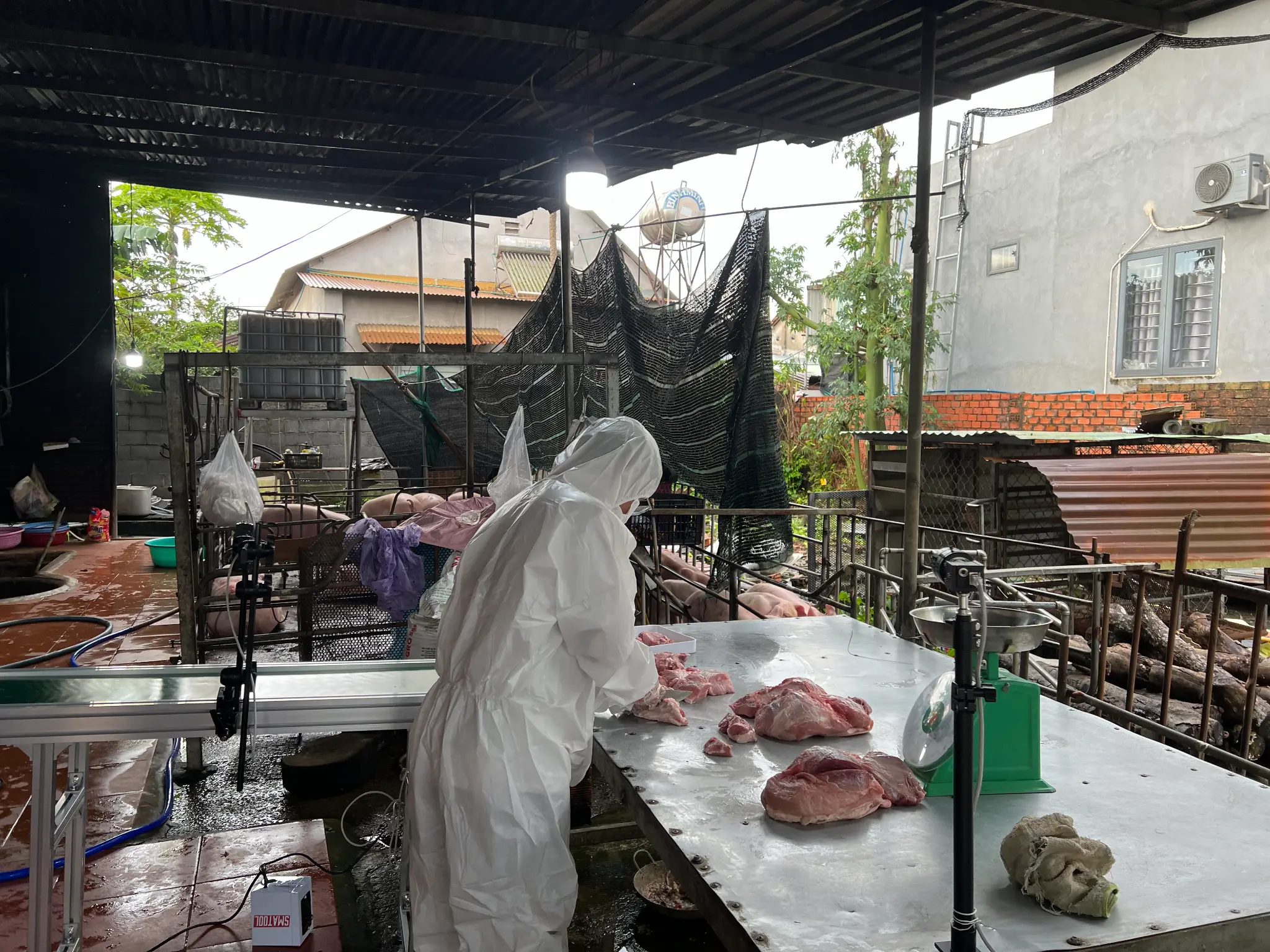
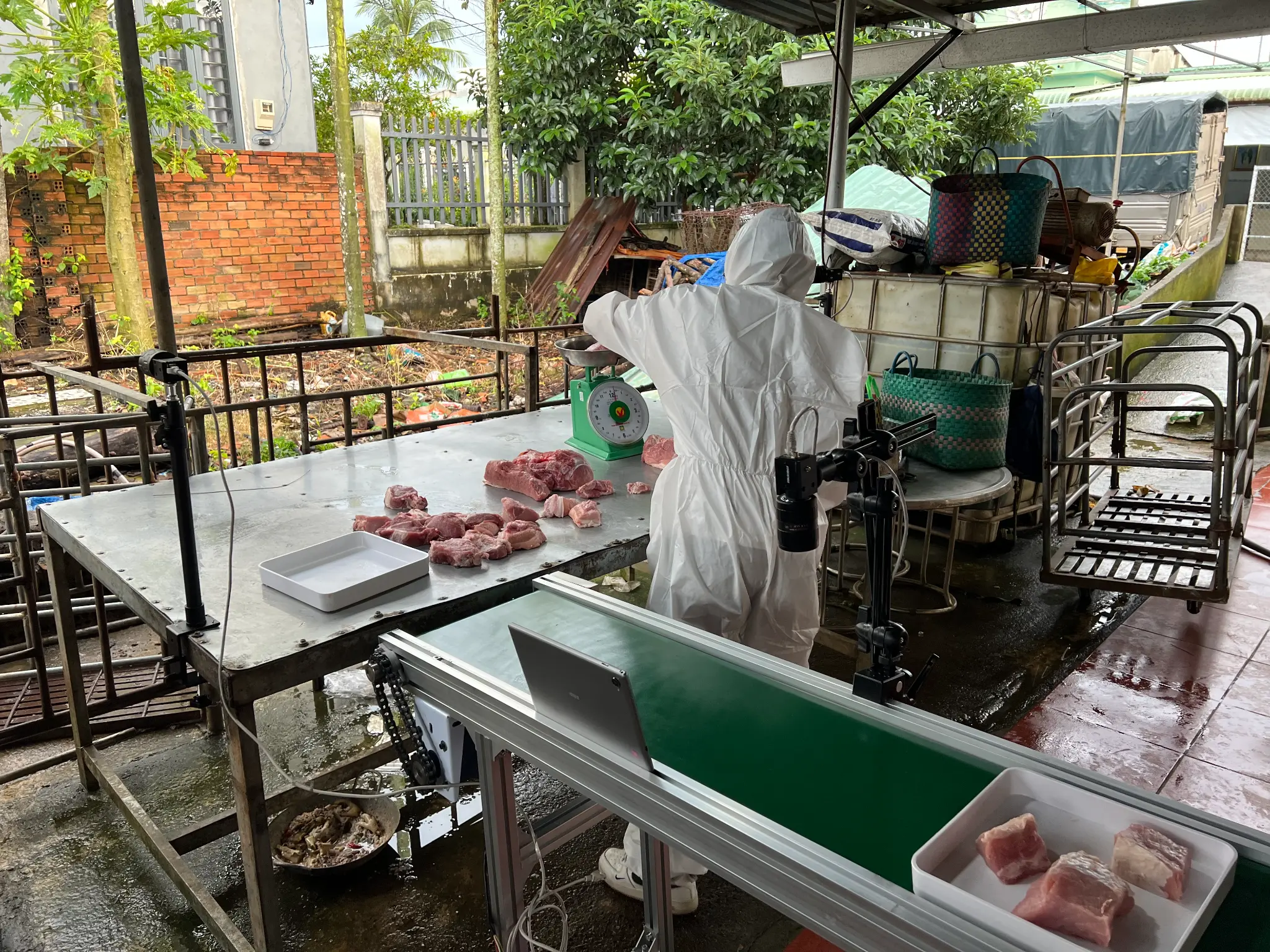
Case Study 2: Ho Chi Minh, Vietnam – Localized Optimization
The deployment in Dong Nai, Vietnam, with over 3,000 pigs, highlights Trackfarm’s adaptability. The system successfully optimized the environment for high-quality rearing despite the challenging local climate. This is crucial for sustainability because:
- Climate Resilience: The automated system ensures stable production even in fluctuating or extreme weather conditions, which is vital for global food security and climate change adaptation.
- High-Quality Output: By optimizing the environment, the system ensures the health and quality of the livestock, reducing the likelihood of product loss in the supply chain.
The Future of Farming: Data-Driven Ecology
Trackfarm is more than just a tool for maximizing profit; it is a platform for ecological stewardship. The technology’s foundation in data mining, cloud analysis, and optimization allows for a level of control and foresight previously impossible.
Minimizing Chemical and Biological Factors
The AI’s ability to monitor individual health and environmental conditions contributes to a more sustainable use of veterinary resources. By preventing disease through optimal environmental control and early detection, the reliance on prophylactic medication is reduced. This is a critical step in combating the global challenge of antimicrobial resistance, a major threat to both human and animal health.
The Labor-Sustainability Connection
The ability for one manager to oversee 3,000+ pigs is often framed as a labor efficiency benefit, but it also has a sustainability dimension. By automating routine, repetitive, and often hazardous tasks (like manual environment checks), the system allows human labor to focus on high-value, complex management decisions. This improved human-to-animal ratio, supported by AI, leads to more consistent and higher-quality care, which is a key component of sustainable and ethical farming practices.
Conclusion: Trackfarm as a Model for the Future
Trackfarm is pioneering a new model for livestock production—one where technology and ecology are in harmony. By leveraging AI to achieve unprecedented levels of precision in resource management, waste reduction, and environmental control, the solution offers a clear path toward a more sustainable and resilient agricultural future.
The journey to sustainable agriculture is not about abandoning modern farming but about making it smarter, cleaner, and more efficient. Trackfarm provides the blueprint for this transformation, proving that the most profitable farm can also be the most responsible one. The integration of AI and automation is not just an innovation; it is an essential step in securing the future of food production on a planet with finite resources.